
Introduction (with Keyphrase)
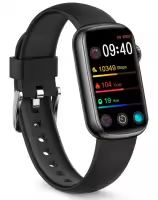
Are fitness trackers worth it? This is one of the most common questions people ask before investing in wearable technology. With the rise of health awareness and smart devices, fitness trackers have become increasingly popular tools for monitoring daily activity, heart rate, sleep patterns, and more. But do they actually deliver value, or are they just another tech trend?
🔥 Discover Trending Content
Explore today's featured content with one click.
New Free Games Added Today!
Discover fun new games and explore what's trending today. Check out the latest additions and start exploring.
🎮 Check Them OutIn this comprehensive guide, we’ll explore whether fitness trackers are worth it by analyzing their benefits, limitations, costs, accuracy, and real-world impact on health and lifestyle. Whether you’re a beginner or a fitness enthusiast, this article will help you make an informed decision.
Table of Contents
- What Are Fitness Trackers?
- How Fitness Trackers Work
- Are Fitness Trackers Worth It for Beginners?
- Benefits of Fitness Trackers
- Drawbacks You Should Know
- Accuracy of Fitness Trackers
- Fitness Tracker vs Smartwatch
- Comparison Table
- Who Should Buy a Fitness Tracker?
- Cost vs Value Analysis
- Expert Tips for Getting the Most Out of a Fitness Tracker
- FAQs
- Final Verdict
1. What Are Fitness Trackers?
Fitness trackers are wearable devices designed to monitor and record physical activity and health metrics. These include:
- Steps taken
- Calories burned
- Heart rate
- Sleep quality
- Distance traveled
Modern devices also include advanced features like stress tracking, blood oxygen monitoring, and GPS.
2. How Fitness Trackers Work
Fitness trackers use sensors such as accelerometers and optical heart rate monitors to collect data. This data is then processed and displayed via a connected app or device screen.
For example:
- Accelerometer → tracks movement
- Optical sensors → measure heart rate
- GPS → tracks distance and routes
3. Are Fitness Trackers Worth It for Beginners?
If you’re just starting your fitness journey, the answer to are fitness trackers worth it is often yes.
They provide:
- Motivation through daily goals
- Easy tracking of progress
- Awareness of activity levels
Beginners benefit the most because they gain structure and measurable targets.
4. Benefits of Fitness Trackers
4.1 Motivation and Accountability
Fitness trackers encourage users to stay active by setting goals and reminders.
4.2 Health Awareness
They help monitor heart rate, sleep, and daily activity levels.
4.3 Goal Setting
You can set personalized fitness goals and track progress over time.
4.4 Improved Lifestyle Habits
Regular tracking often leads to better habits like walking more and sleeping better.
5. Drawbacks You Should Know
While answering are fitness trackers worth it, we must consider downsides:
- Can be inaccurate at times
- May cause obsession with numbers
- Battery dependency
- Cost vs actual usage
6. Accuracy of Fitness Trackers
Fitness trackers are generally:
- Accurate for step counting
- Moderately accurate for heart rate
- Less accurate for calories burned
They are best used as guidelines, not medical tools.
7. Fitness Tracker vs Smartwatch
Key Differences
- Fitness trackers focus on health metrics
- Smartwatches offer broader features like apps, calls, and notifications
8. Comparison Table
| Feature | Fitness Tracker | Smartwatch |
|---|---|---|
| Price | Low to Medium | Medium to High |
| Battery Life | 5–14 days | 1–3 days |
| Health Tracking | Excellent | Good |
| Apps & Features | Limited | Extensive |
| Ease of Use | Simple | Complex |
9. Who Should Buy a Fitness Tracker?
Fitness trackers are worth it for:
- Beginners starting fitness journeys
- People wanting basic health insights
- Individuals needing motivation
They may not be ideal for:
- Advanced athletes needing precise data
- People who won’t use the data consistently
10. Cost vs Value Analysis
Price Range
- Budget: $20–$50
- Mid-range: $50–$150
- Premium: $150+
Value Consideration
Ask yourself:
- Will I use it daily?
- Do I need detailed insights?
- Is motivation my goal?
If yes, then fitness trackers are worth it.
11. Expert Tips for Getting the Most Out of a Fitness Tracker
- Set realistic goals
- Sync regularly with apps
- Focus on trends, not daily numbers
- Combine with a healthy diet
- Read our guide on “Best Smartwatches in 2026”
- Check “How to Start a Fitness Routine at Home”
- Learn about “Top Health Apps for Android & iOS”
- World Health Organization (WHO) – Physical activity guidelines
- Harvard Health – Wearable fitness technology insights
- Mayo Clinic – Heart rate and exercise
12. FAQs
Q1: Are fitness trackers worth it for weight loss?
Yes, they help track calories and activity, making weight loss easier to manage.
Q2: Do fitness trackers really work?
They work well for general tracking but are not 100% accurate.
Q3: Are expensive fitness trackers better?
Not always. Mid-range devices offer the best value.
Q4: Can fitness trackers improve health?
Yes, by increasing awareness and encouraging active habits.
Q5: How long do fitness trackers last?
Typically 2–5 years depending on usage and quality.
13. Final Verdict: Are Fitness Trackers Worth It?
So, are fitness trackers worth it?
For most people, the answer is yes—but with realistic expectations.
They are not magic devices, but they:
- Encourage consistency
- Increase awareness
- Support healthier habits
If you’re committed to improving your lifestyle, a fitness tracker can be a valuable companion.