
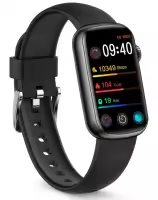
Health trackers have exploded in popularity over the past decade. tens of millions of people now wear a device on their wrist that monitors steps, sleep, coronary heart charge, and even pressure ranges. but a question many human beings nonetheless ask is: are fitness trackers well worth it?
In this article, we’ll discover the blessings, drawbacks, real-international effectiveness, and who have to truly purchase one. by the quit of this text, you’ll understand whether or not a fitness tracker is a clever investment on your health and way of life.
What Is a Fitness Tracker?
A fitness tracker is a wearable device designed to monitor and document fitness and pastime facts. these gadgets typically tune:
- Steps taken
- Calories burned
- Heart rate
- Sleep patterns
- Distance traveled
- Workout performance
- Blood oxygen levels
- Stress levels
Popular brands include Fitbit, Garmin, Apple, and Xiaomi.
Most trackers connect to a smartphone app to give you detailed health insights.
Why Fitness Trackers Became So Popular
The wearable era market has grown hastily due to the fact humans want statistics-driven health insights.
health trackers gained recognition due to:
- Rising health awareness
- Integration with smartphones
- Affordable wearable technology
- Gamified fitness goals
- Social competition features
Today, many trackers also support advanced health monitoring such as ECG readings and blood oxygen tracking.
Also read How Do Fitness Trackers Work? The Complete Beginner’s Guide to Smart Health Tracking
Key Benefits of Fitness Trackers
1. Increased Physical Activity
One in every of the biggest benefits of health trackers is motivation.
Seeing your daily step count number can encourage you to move more. Many research display that people sporting trackers increase their daily interest tiers.
Trackers regularly consist of:
- Step goals
- Move reminders
- Achievement badges
- Weekly activity summaries
These features help create healthy habits.
2. Improved Sleep Tracking
Sleep is a critical part of health, and many trackers provide detailed sleep insights.
Typical sleep tracking features include:
- Sleep stages (REM, light, deep)
- Sleep duration
- Sleep quality scores
- Smart alarms
Understanding your sleep patterns can help improve recovery and overall wellness.
3. Heart Rate Monitoring
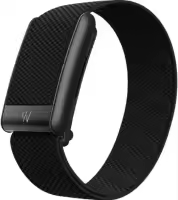
Continuous heart rate tracking provides valuable health information.
Modern trackers can monitor:
- Resting heart rate
- Exercise heart rate zones
- Heart rate variability
- Irregular rhythm alerts
For people focused on fitness performance, this data can be extremely useful.
4. Goal Setting and Accountability
Fitness trackers help users stay accountable to their health goals.
You can set goals such as:
- 10,000 steps per day
- Burn 500 calories daily
- Exercise 30 minutes daily
- Sleep 8 hours per night
Tracking progress over time increases motivation and consistency.
5. Health Awareness and Data Insights
Fitness trackers provide you with a clear photo of your fitness traits.
Over weeks or months, you may examine:
- Activity patterns
- Sleep quality
- Workout consistency
- Heart rate trends
These insights help people make better lifestyle decisions.
Are Fitness Trackers Worth It for Weight Loss?
Many people buy fitness trackers primarily for weight loss.
Fitness trackers can help by:
- Tracking calorie burn
- Monitoring workouts
- Encouraging daily movement
- Providing activity reminders
However, they are not magic weight-loss devices. Real results still require:
- Healthy diet
- Consistent exercise
- Good sleep habits
Think of a fitness tracker as a tool that supports behavior change, not a replacement for healthy habits.
Who Should Buy a Fitness Tracker?
Fitness trackers can be very helpful for certain people.
Ideal Users
Fitness trackers are worth it for:
- Beginners starting a fitness journey
- People trying to lose weight
- Runners and cyclists
- Data-driven individuals
- Busy professionals tracking daily activity
People Who May Not Need One
Fitness trackers may not be necessary if:
- You already have a structured workout routine
- You dislike wearing devices
- You don’t care about health metrics
- You prefer simple workouts without tech
Fitness Tracker vs Smartwatch
Many people confuse fitness trackers and smartwatches.
Here’s a quick comparison.
| Feature | Fitness Tracker | Smartwatch |
|---|---|---|
| Primary Purpose | Health tracking | Multi-purpose device |
| Battery Life | 5–14 days | 1–3 days |
| Price | Lower | Higher |
| Fitness Features | Excellent | Good |
| Apps | Limited | Extensive |
| Notifications | Basic | Advanced |
Devices like the Apple Watch Series 9 combine both smartwatch and fitness features, while trackers like Fitbit Charge 6 focus mainly on health metrics.
Also Read The 15 Best Health and Fitness Gadgets in 2026 That Can Transform Your Life
Pros and Cons of Fitness Trackers
Advantages
 Encourages healthy habits Tracks workouts and activity Provides sleep insights Monitors heart rate Offers motivation and accountability
Disadvantages
✘ Data may not always be perfectly accurate
✘ Some features require subscriptions
✘ Battery charging needed
✘ Can become distracting for some users
Accuracy of Fitness Trackers
A common question is whether fitness trackers are accurate.
Generally Accurate
Most trackers are fairly accurate for:
- Step counting
- Heart rate monitoring
- Activity duration
Less Accurate
However, they may struggle with:
- Exact calorie burn
- Sleep stage classification
- High-intensity movement tracking
Despite minor inaccuracies, they still provide useful trends and insights.
Also read Ultimate Guide to the Best Fitness Gadgets for Home Workouts (2026)
Are Fitness Trackers Worth It for Beginners?
For beginners, fitness trackers can be extremely helpful.
They simplify the process of building healthy habits by:
- Showing how active you are
- Encouraging consistent movement
- Tracking workout progress
- Providing simple goals
For someone starting their fitness journey, the motivation factor alone can make them worth the investment.
Best Features to Look for in a Fitness Tracker
When choosing a tracker, look for these features:
1. Heart Rate Monitoring
Continuous heart rate tracking helps monitor workouts and health trends.
2. Sleep Tracking
Sleep insights are one of the most useful features of wearable devices.
3. Long Battery Life
Good trackers should last at least 5–7 days on a single charge.
4. Water Resistance
Waterproof trackers allow swimming and shower use.
5. Smartphone Integration
Ensure compatibility with your smartphone and apps.
Are Fitness Trackers Worth the Money?
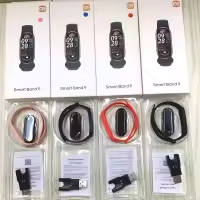
Fitness trackers typically cost between $30 and $400.
Budget models offer:
- Step tracking
- Basic sleep tracking
- Activity monitoring
Premium devices include:
- GPS
- ECG monitoring
- Advanced workout analytics
- Stress tracking
For many users, the health insights and motivation justify the cost.
Also read Are Fitness Trackers Safe to Wear? A Complete Guide to Wearable Health Devices
Long-Term Benefits of Fitness Trackers
Over time, fitness trackers can help users:
- Build consistent exercise habits
- Improve sleep patterns
- Stay accountable to goals
- Monitor health trends
- Prevent sedentary lifestyles
The biggest benefit is awareness—when people understand their habits, they can improve them.
Are Fitness Trackers Worth It in 2026?
Yes—fitness trackers are more advanced than ever.
Modern devices now include:
- Stress monitoring
- Blood oxygen tracking
- AI-driven health insights
- Personalized coaching
- Advanced workout tracking
As wearable technology evolves, fitness trackers continue to become more valuable tools for maintaining health.
Final Verdict: Are Fitness Trackers Worth It?
So, are fitness trackers worth it?
For many people, the answer is yes.
They help users:
- Stay active
- Monitor health metrics
- Build healthy habits
- Track progress over time
But, they work nice whilst mixed with actual life-style changes together with workout, right vitamins, and adequate sleep.
In case you enjoy tracking facts and staying stimulated, a health tracker may be a effective health partner.
Frequently Asked Questions (FAQ)
Are fitness trackers worth buying?
Yes. Fitness trackers can improve awareness of physical activity, sleep, and heart health, helping many users build healthier habits.
Do fitness trackers actually help you get fit?
They can help by encouraging movement and tracking progress, but real fitness results still require consistent exercise and a healthy diet.
Are cheap fitness trackers worth it?
Budget trackers can still provide useful features like step tracking and sleep monitoring. However, premium models offer more accurate sensors and advanced health features.
How accurate are fitness trackers?
Most trackers are fairly accurate for step counting and heart rate monitoring but may not precisely measure calories burned or sleep stages.
Is a smartwatch better than a fitness tracker?
It depends on your needs. Smartwatches offer more apps and features, while fitness trackers typically have better battery life and focus more on health tracking.